Going into the first part of this movie last year, I kept my hopes low. I am not a theater person, and, despite the enthusiasm of my family, I had no intention of liking Wicked. Now, a year later as the second, and final, part of the movie comes out, I can say with absolute certainty that I was wrong.
Unlike my first Wicked experience,I knew walking into the theater this year that I would find myself thoroughly invested. What I did not anticipate was how much I would cry. Even from the beginning, Wicked: For Good is emotional, witty, sweet, and hopeful. This movie truly paints one of the most beautiful and moving representations of friendship, love, and loss that I have ever seen.
Wicked: For Good takes place seven years after the events of the first movie. By this point Elphaba has secured her reputation as the Wicked Witch of the West, and Glinda has stayed as a figurehead in the Emerald City with Fiyero. While the people of Oz abhor the influence of the Wicked Witch, Elphaba continues to help the animals that are suffering more and more at the hands of the Wizard.
“When I stop the Wizard, all Oz will applaud how I saved them from the Wizard, by revealing he’s a fraud.” Elphaba said in the opening song, “Every Day More Wicked”.
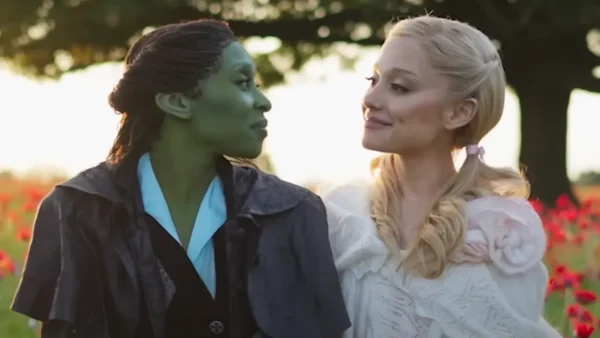
Even from this opening song I was almost moved to tears, knowing Elphaba’s constant hope is both engaging and painful to watch, and will leave you twisting the events of the story in your head to find a way in which she is allowed her happy ending.
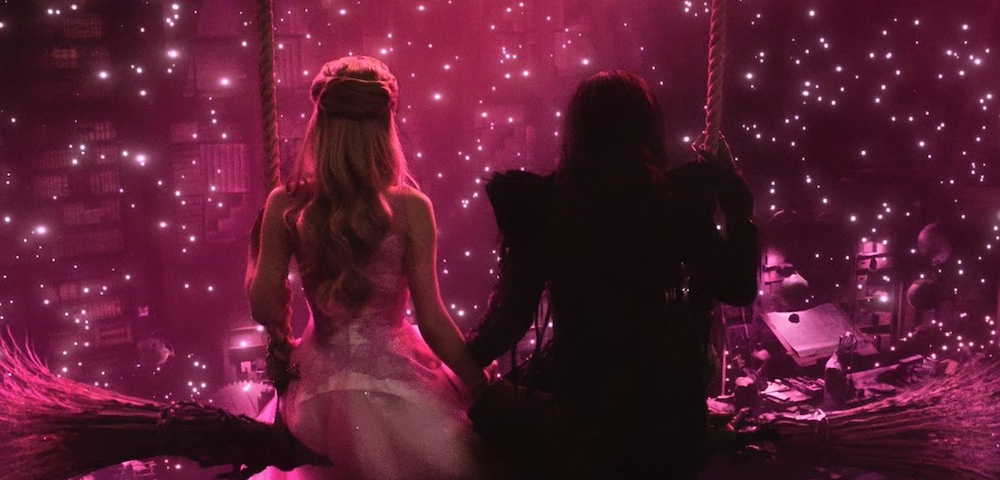
The portrayals of relationships in this movie are phenomenal as well. At times, I felt as though I was watching interactions between two friends, entirely off book, rather than a scripted meeting of two characters. Ariana Grande and Cynthia Erivo’s depictions of Glinda and Elphaba were tear-jerking to watch, and Jonathan Bailey’s much more serious depiction of Fiyero was wonderful as well. The relationships between Fiyero, Glinda, and Elphaba were so heartfelt and deep that I could never decide which pairing I enjoyed watching the most. Despite his lack of signature songs in the second part of the story, Fiyero was a wonderfully influential and painfully impactful character.
“They need someone to be wicked so that you can be good.” Elphaba said to Glinda at the end of the movie.
Wicked: For Good showed a clever and thoughtful portrayal of society’s ideas of good and evil through the juxtaposition of Glinda and Elphaba. Though their values and aims are the same, their different methods of going about these aims, in the minds of the people of Oz, pit them against each other in opposition. This movie incorporates the idea that without a villain, people will not follow their heroes.
In order to truly create change, there must be some opposition that the blame can be placed on. In Wicked: For Good, this becomes Elphaba.
Wicked: For Good has a gut-wrenching soundtrack, not only with their talented singers, but also through the use of powerful music. The impact of the hopeful and happy songs, followed by the mournful and agonizing ballads created a masterpiece of fluctuating emotions. Even the instrumental techniques used were genius, such as the use of bass drums in the most significant peaks of the songs to increase adrenaline and subconscious interest, even early in the movie.
Along with the music, the cinematography of the movie was engaging and beautiful. From the woody and dark colors of Elphaba’s abode in the woods in the beginning of the movie, to the bright and clear colors of the Emerald City, the design accented the emotions of the scene almost as much as the music itself.
Wicked: For good was a poignant and thoughtful critique of societies preconceived notions of Good and Evil, love and loss. This movie is so full of hope, despair, and our reactions in the face of hardship. Wicked: For Good is a haunting and expressive narrative of love. By the end of this movie, from its powerful music, imagery, acting, and overall messages, you may come out feeling changed.